
 Series 01 · Oakley Prizm
Oakley Photochromic Lens Review
Near neutral at the captured state through the lens. Best in changing, made for All.
Not a Prizm tint

The verdict
Verdict pending
This specimen has been measured and photographed; the riding verdict is still being earned. Until then, the numbers and comparisons below stand on their own.
This tint is Oakley's. If you wear a prescription, our inserts clip in behind it. see the inserts we make
The specimen
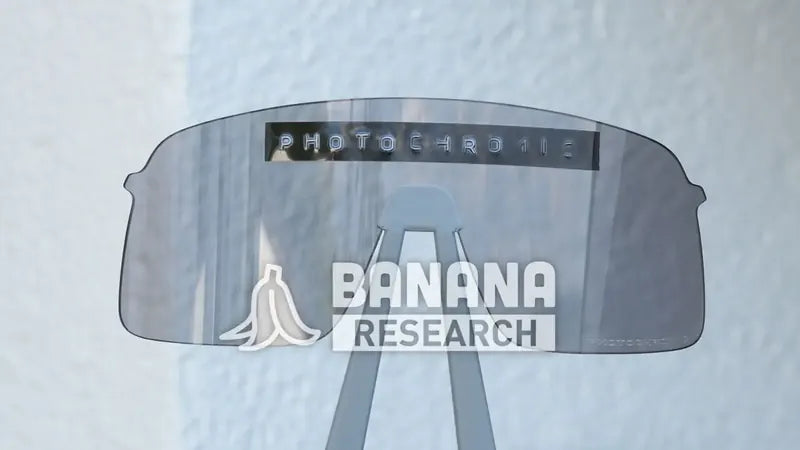
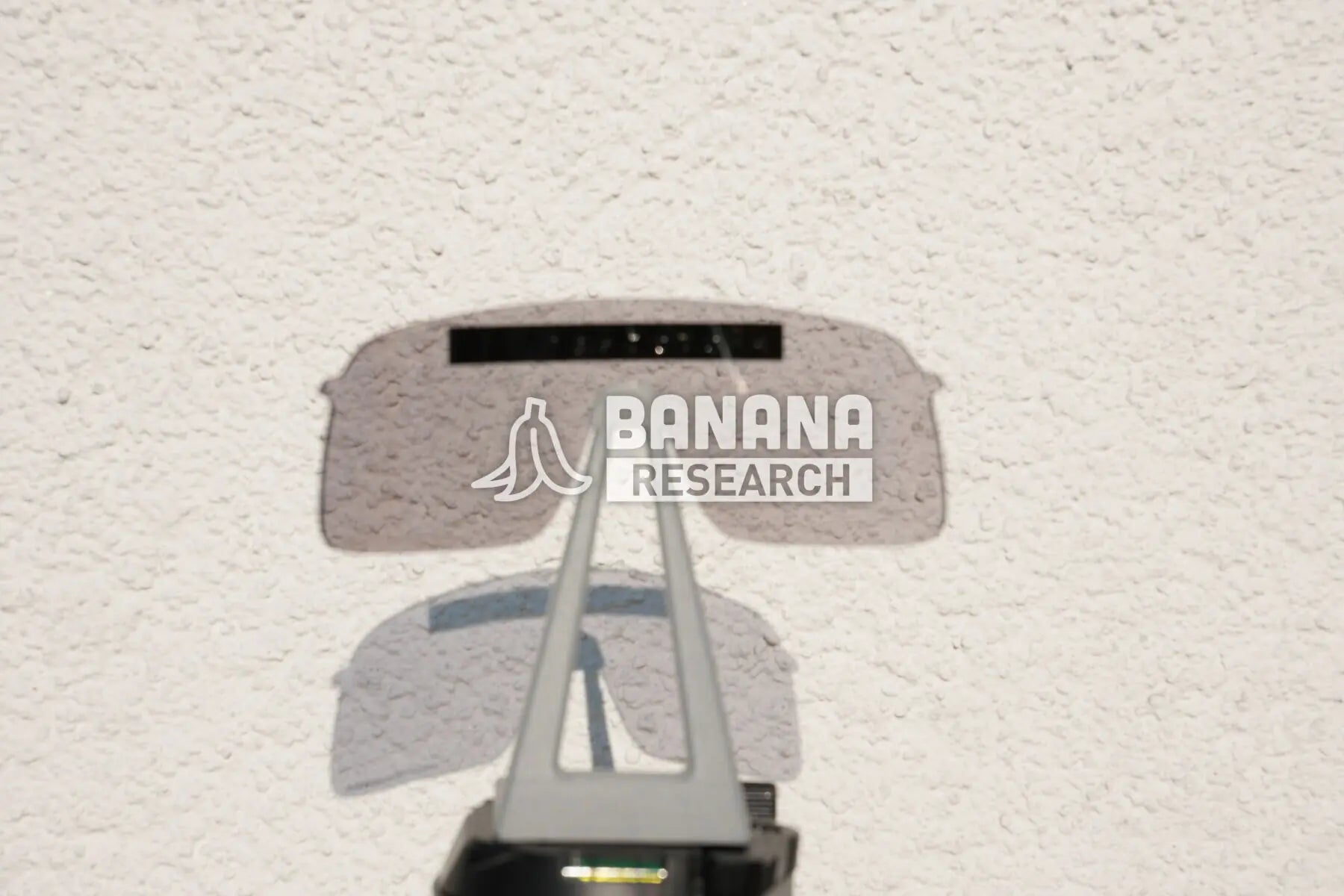
Lens comparison
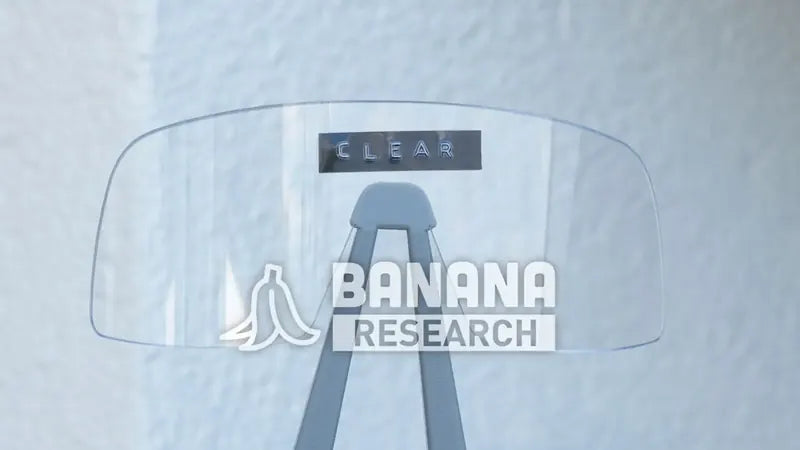
The same seven scenes, one locked exposure. This one is loaded against Clear.
How brightness is shown. Every lens was shot at one locked exposure set on the bare sensor, so True exposure is the real light transmission. Your eye adapts, so a dark lens never looks that dark in life: Eye adapted raises each image by its measured transmission (perceived = transmission^0.5). Colour only normalises every lens to the same brightness to isolate the tint.
Popular comparisons
The pairings people actually ask about. Tap one to load it in the comparison above.
The numbers
- Specimen
- S-12
- Category
- not classified
- VLT stated
- not stated
- Measured
- 37.7% of the clear control
- Look through
- Near neutral at the captured state
- Mirror
- Clear to black iridium, state dependent
- Best light
- Changing
- Activity
- All
- Rx insert
- Available
Measured figures are linear transmission against the clear control under one locked exposure, not a laboratory VLT. Oakley's stated figure is the number to quote.
What it is
A single still cannot honestly represent a photochromic, because its transmission is a function of incident light and of how long it has been in that light. This frame was taken in direct sun partway through the set, so the specimen is somewhere in its activation curve rather than at either end. The measured figure is that one moment, not a specification.